

This content is for subscribers. (Login or Subscribe)

Understanding Bear Markets and Setting Expectations
This content is for subscribers. (Login or Subscribe)
Understanding Bear Markets and Setting Expectations Read More »

This content is for subscribers. (Login or Subscribe)
Understanding Bear Markets and Setting Expectations Read More »

This is the first article in a new strategy series that will extend over the next several weeks. We will start by defining the Trend Composite indicator and then work our way towards a systematic trading strategy. The strategy is based on signals from the Trend Composite.

In an ideal world, trends would be consistent and persist for months. An ideal uptrend would march higher by consistently recording higher highs and higher lows. Once reversed, a downtrend would take over and work its way lower with lower lows and lower highs. There are plenty of chart examples for these consistence and persistent trends.
Separating Consistent Trends from the Inconsistent Trends Read More »

This article will dive into trend following. We will start by going over some key assumptions and expectations to consider when implementing a trend-following strategy. What are realistic Win Rates and Profit/Loss ratios? Attention then turns to selecting a timeframe suitable to trend-following. I will then explain 10 trend-following indicators
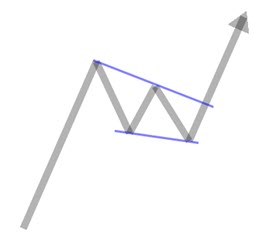
The falling wedge is a bullish continuation pattern that chartists can use to trade or invest in the direction of the underlying trend. I realized that some books show falling wedges as bullish reversal patterns, but I am only interested in bullish continuation patterns and I choose to ignore names that are hitting new lows. This video will show

Chartists can get a jump on a bigger breakout by trading the swings within a developing pattern. In this example, I will outline the steps to identify these setups and the triggers for the trade. We will start with the overall

The turn of the month shows a strong bullish bias with an extremely stable equity curve that really took off the last few years. This strategy, which is only invested 38% of the time, outperformed buy and hold with a higher Compound Annual Return. Overall, the eight day percentage change at the turn of the month is positive 68% of the time for SPY. Despite strong numbers overall, February is weakest month when testing over the last twenty years, and we just happen to be in February.

Chartists trading oversold bounces and short-term bullish continuation patterns have two basic choices when it comes to an exit: trailing stop or trend reversal. Trailing stops are used initially as stop-losses and then trail price if/when it moves higher. Trend reversal exits are used to accumulate during an uptrend and exit when the longer-term trend reverses. This article will cover the trend reversal exit and three trailing stop alternatives.

2021 is just around the corner and chartists without a strategy should think long and hard about getting one. Trading in the direction of the trend is pretty much my bread and butter strategy. I do not fish for bottoms or attempt to pick tops. Tempting as it often is, I try to refrain from such endeavors as much as possible. More often than not, we are better off using trend-following indicators to identify bullish and bearish trend reversals
Identifying Trend Changes and Tradable Pullbacks within Uptrends (w/ Video) Read More »

StochClose is an indicator that quantifies trend direction and trend strength. It also removes volatility from the equation and levels the playing field for stocks and ETFs. As such, it offers a balanced approach to trend identification and relative chart strength. TrendInvestorPro uses this indicator on charts and in the ETF ranking tables. This article will explain the methodology, show chart examples and provide an example of the ranking table.
StochClose – Introduction to Indicator, Methodology, Charts and Ranking Read More »